Warm Water in Winter: Why Your Morning Glass Matters
Kamal, Founder of BelieveUpdated 3 Dec 20255 min read
Quick answer
In winter we feel less thirsty, so most people drink far less water than they need, even though dry, cold air and room heaters still pull moisture from the body. A glass of warm water in the morning is comforting, easy to drink in the cold and helps restart hydration after 7–8 hours without water. Warm water is not a cure for anything, but it is a habit that makes drinking enough water in winter much easier.
Why we drink less water in winter
When temperatures drop in Sonipat, Delhi and across North India, the body’s thirst signal becomes weaker. We sweat less, so we assume we need less water. But winter air is dry, heaters and blowers dry it out further, and we still lose water every time we breathe. Many families notice dry skin, chapped lips and slower digestion in December and January, all common signs that the body is running a little low on water.
What a warm morning glass actually does
- It restarts hydration after a long night without water.
- It is far more pleasant than cold water in a chilly kitchen, so you finish the glass.
- For many people it is a gentle, calming start to the day, especially before chai.
- It builds a routine: one glass on waking is an easy habit to anchor the rest of the day’s drinking.
You will often read that warm water “detoxes” or “burns fat”. There is no good evidence for those claims. The honest benefit is simpler and more useful: warm water helps you drink more water in a season when most people drink too little.
How warm is warm?
| Temperature | Feels like | Good for |
|---|---|---|
| 30–37 °C | Lukewarm | Children, taking tablets |
| 40–50 °C | Comfortably warm | Morning glass, elders |
| 60–70 °C | Hot | Honey-lemon water (let it cool a little), green tea |
| 85–95 °C | Very hot | Chai and coffee only, not for drinking straight |
Making it effortless
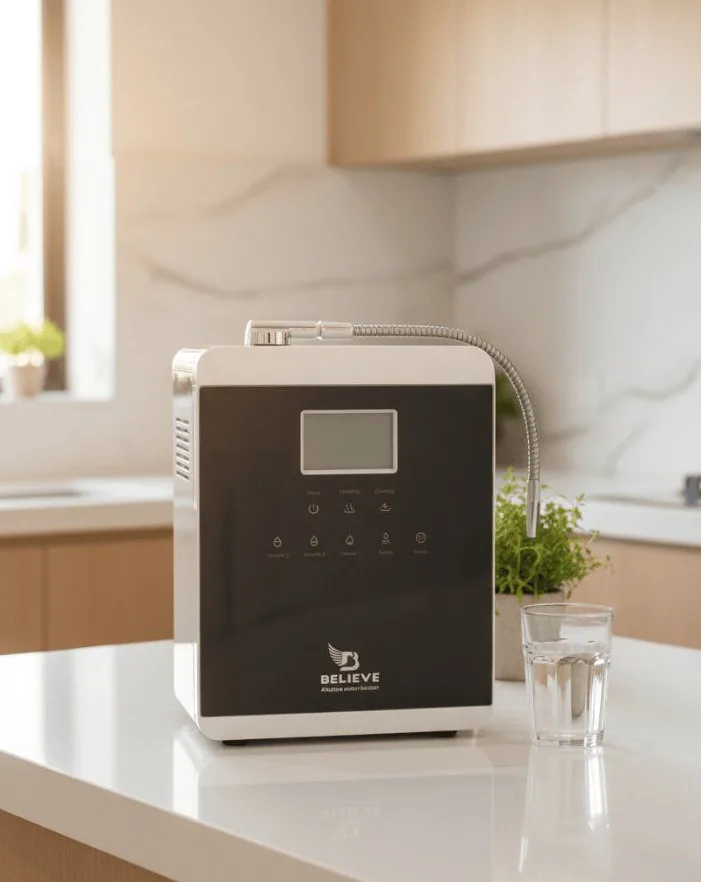
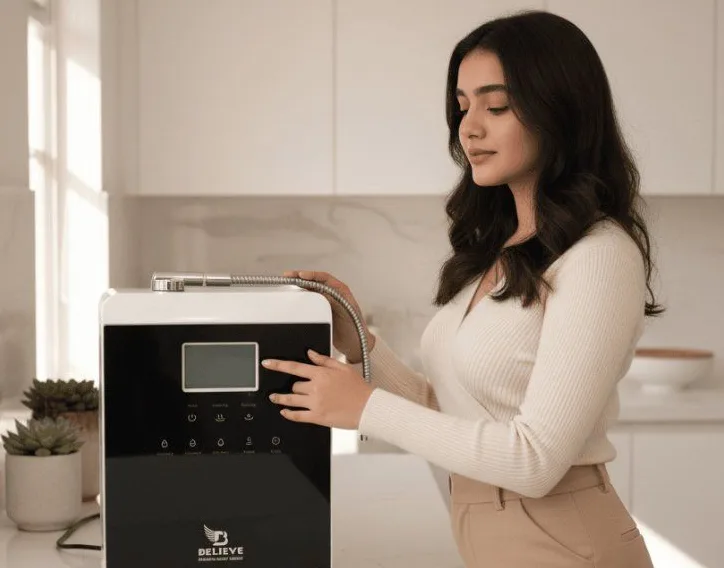
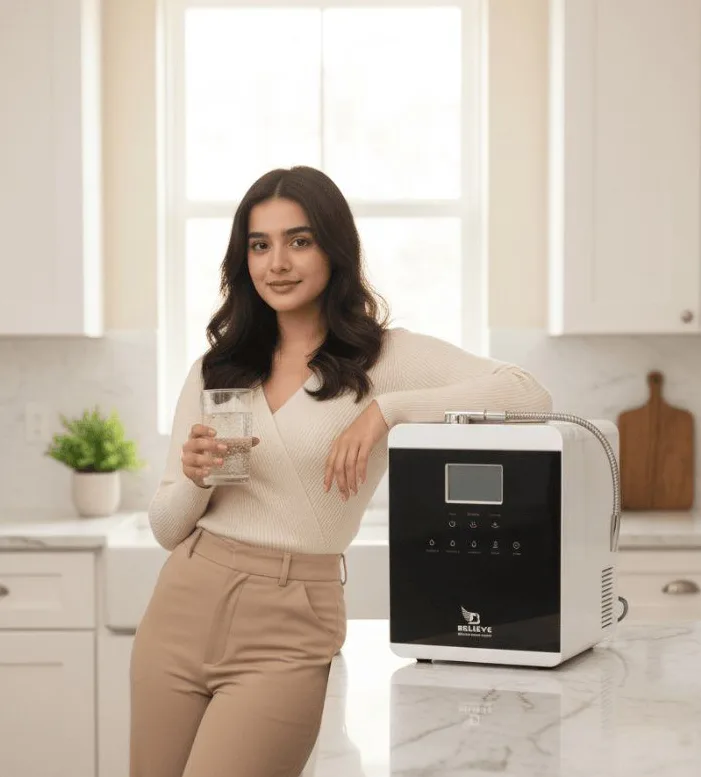
The biggest reason people skip warm water is the wait: boiling, cooling, pouring. The Believe ionizer has an inbuilt heater that gives warm purified water directly from the tap, so the morning glass takes ten seconds instead of five minutes. Any method works, though. Keep a flask by the bed, or warm a glass the night before. What matters is that the habit sticks.
“The best healthy habit is the one you actually keep. In winter, warm water is simply easier to keep.” — Believe team
Key takeaways
- Thirst drops in cold weather, but your body’s need for water does not.
- Room heaters and dry winter air increase water loss through skin and breath.
- Warm water is easier to drink in the cold, so you naturally drink more.
- Keep it warm, not hot: around 40–50 °C is comfortable and safe for the mouth and throat.
Frequently asked questions
Is it okay to drink warm water every day?
Yes. Warm (not scalding) water is safe for daily drinking for most people. Avoid very hot water, which can irritate the mouth and throat.
Should I add lemon or honey?
That is a matter of taste. Lemon adds flavour and some vitamin C. If you add honey, let the water cool to a warm temperature first.
How much water should I drink in winter?
Most adults do well with roughly 2–3 litres of fluids a day, including tea and food, but needs vary. Pale yellow urine is a simple sign you are drinking enough.